

Performance Optimisation
Frame-Rate Stabilisation & Asset Optimisation


Project Type: Technical optimisation & performance support
Engine: Unreal Engine 5
Focus: Performance profiling · Memory optimisation · Asset management
Status: Client optimisation & delivery work

Overview
Performance instability is a common issue during production, often caused by accumulated content and late-stage integration.
This project focused on identifying, analysing, and resolving performance bottlenecks through systematic profiling and targeted optimisation in Unreal Engine.
For The Department, our task was to ensure the project ran at a stable frame rate on the client’s target hardware in preparation for a public showcase at GDC. The focus was not feature development, but identifying and resolving performance bottlenecks that affected moment-to-moment gameplay.
Links
Approach
Profiling & Diagnosis
Initial profiling was conducted to identify performance bottlenecks across CPU, GPU, and memory usage. Unreal Engine profiling tools were used to isolate costly systems, rendering issues, and content-related inefficiencies.
This phase focused on understanding where and why performance degradation occurred before applying any changes.
Data Collection & Analysis
1
Targeted Optimisation
Validation & Comparison
2
Detailed performance data was gathered using in-engine diagnostics and visualisation tools. Frame timing, draw calls, shader complexity, overdraw, and asset impact were analysed to distinguish systemic issues from isolated problem areas.
Findings were documented to inform targeted, low-risk optimisation decisions.
Based on profiling results, focused optimisations were applied to the most impactful bottlenecks.
This included adjustments to asset complexity, rendering settings, and scene composition, balancing visual fidelity against performance constraints while avoiding premature or unnecessary changes.
All changes were validated through repeated profiling and side-by-side comparison to ensure measurable improvements. Performance stability, frame consistency, and visual impact were reviewed to confirm that optimisations delivered real gains without introducing regressions or unintended side effects.
3
4
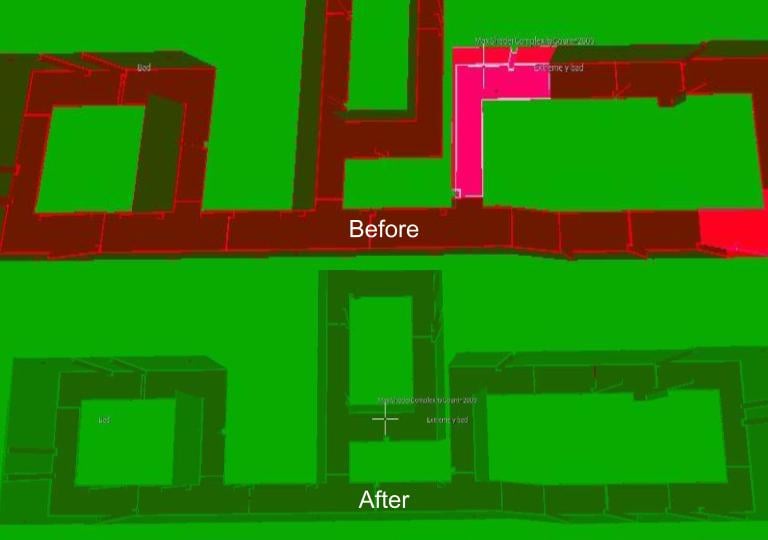
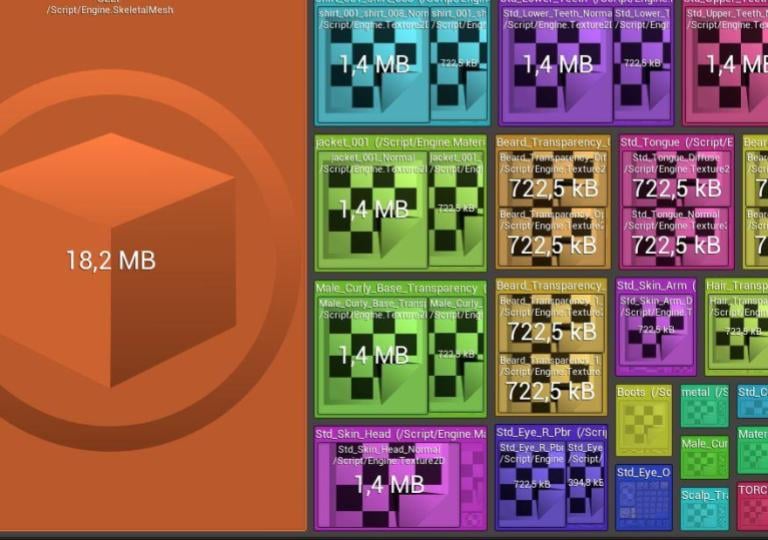
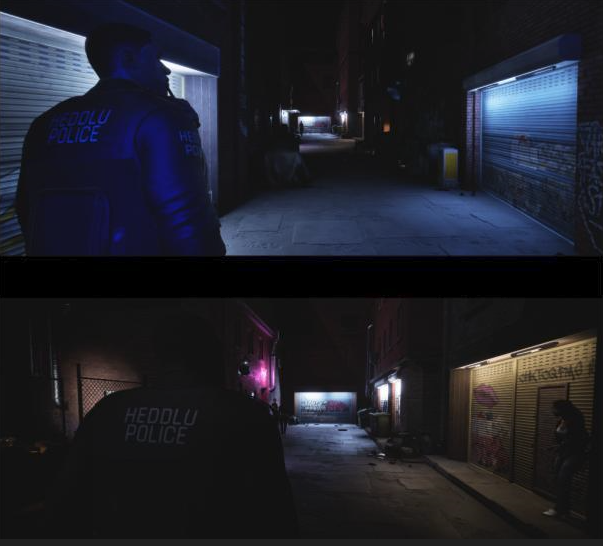
Overdraw visualisation
Shader complexity view - Optimized
Before / after lighting optimisation
Outcome
Through targeted optimisation, the gameplay prototype achieved significantly improved frame stability and runtime efficiency.
Key improvements included:
Frame time reduced from ~28 ms to ~14 ms during heavy gameplay scenarios.
CPU usage reduced by approximately 35% after removing unnecessary tick events and streamlining blueprint logic.
Blueprint execution cost reduced by ~40%, improving responsiveness across gameplay systems.
Memory overhead lowered by ~20% through better asset handling and system refactoring.
These changes allowed the project to maintain stable performance under gameplay load while preserving system behaviour.
Evaluation & Recommendations
Following the optimisation pass, we provided the client with a detailed breakdown of findings and recommendations to maintain performance stability as development continued.
Key recommendations included:
Ongoing asset resolution discipline aligned with target hardware
Regular profiling to catch unintended asset references early
Clear performance budgets for new content
Periodic validation builds to prevent regression
This work highlights the value of targeted optimisation and early profiling when preparing projects for public-facing milestones.
© 2026. All rights reserved.